queen of the hills of Eastern Nepal
Visit
chainpur
Eastern Nepal
A TOWN ABOVE THE ARUN
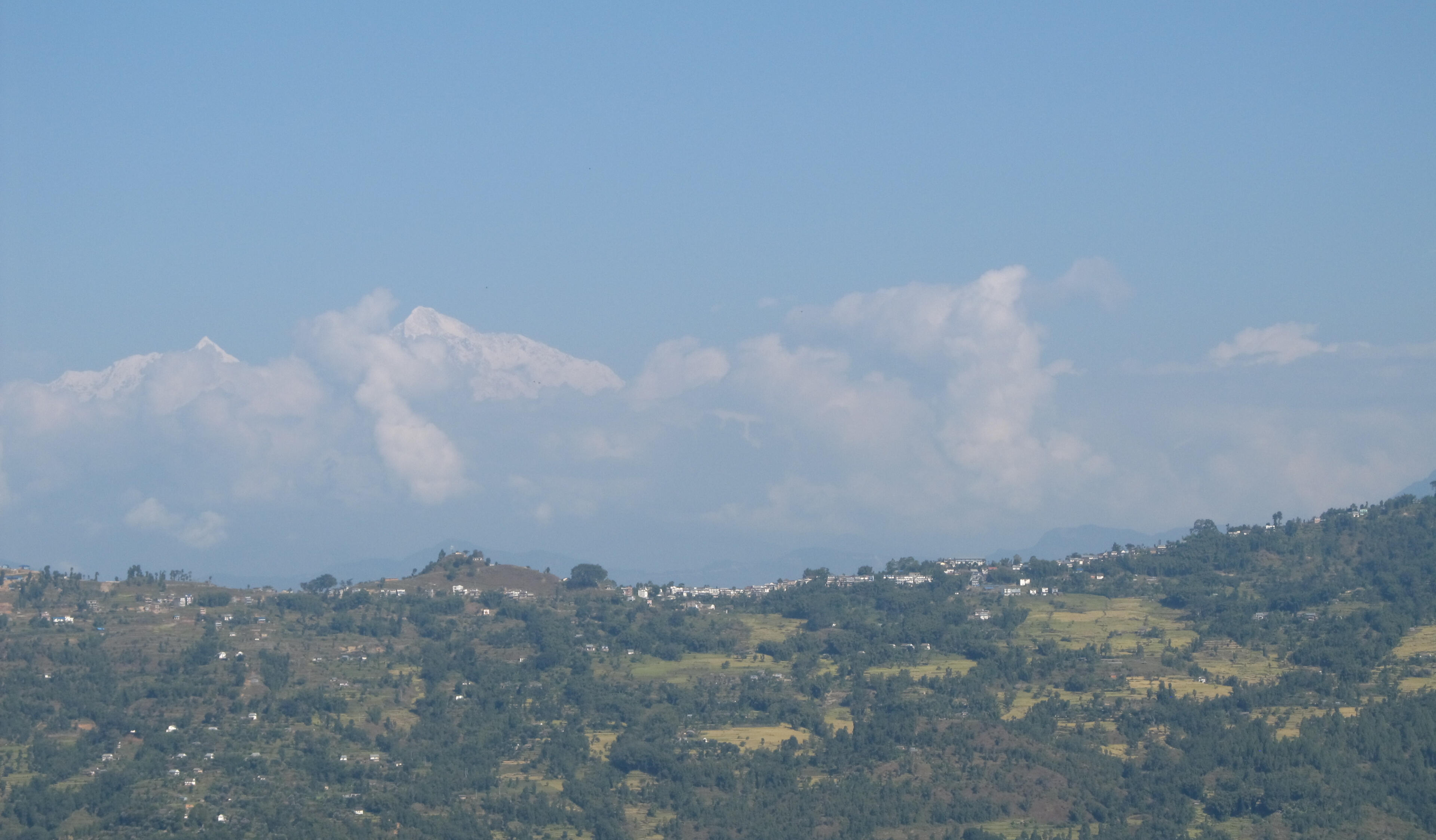
Perched at around 1,250 metres in Sankhuwasabha, Chainpur is one of eastern Nepal's oldest hill bazaars — a trading post on the old Arun valley routes and a gateway on the classic approach toward Makalu. Long before it was a stop for trekkers, it was a meeting point for the peoples of the eastern hills, and for a time the district's headquarters. On clear mornings the snow peaks sit on the horizon; below them, stone-paved streets wind between timbered houses that have watched over the valley for generations.
A TOWN THAT WORKS IN METAL
HAMMERED BY HAND
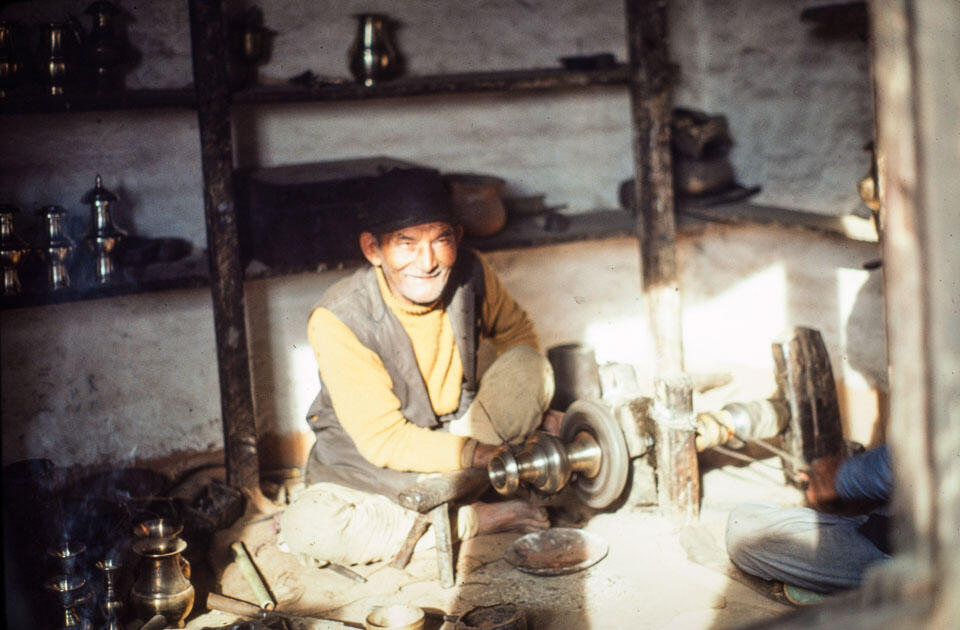
When a Peace Corps volunteer photographed Chainpur in 1970, he wrote of clean streets, industrious people, and "the sound of artisans hammering on brass objects all day long." Half a century on, that sound still carries through the bazaar. Chainpur is famous across Nepal for its karuwa — the ornate brass and copper water vessel with a curved neck and an intricately carved cap, shaped entirely by hand. The same forges also turn out fine khukuri blades. This is not craft made for display; it is a living trade, passed down through families for hundreds of years.
LIMBUWAN LEGACY
EVERY PATH A STORY
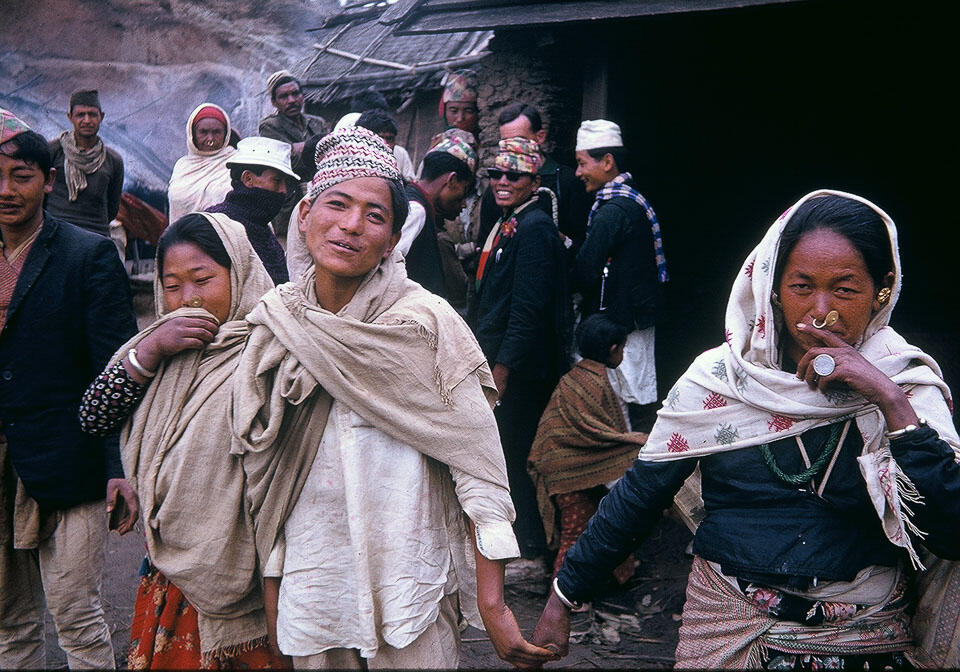
Once tied to the old Limbuwan kingdom, Chainpur carries its history in its architecture and its people — a compact town best explored on foot. Its clean, stone-flagged lanes and old shopfronts have earned it a reputation as one of the most orderly and welcoming bazaars in the hills. Newar, Limbu and other communities have long shared these streets, and their traditions still shape the rhythm of daily life, market days and festivals.
TEMPLES & PILGRIMAGE
sacred Ground
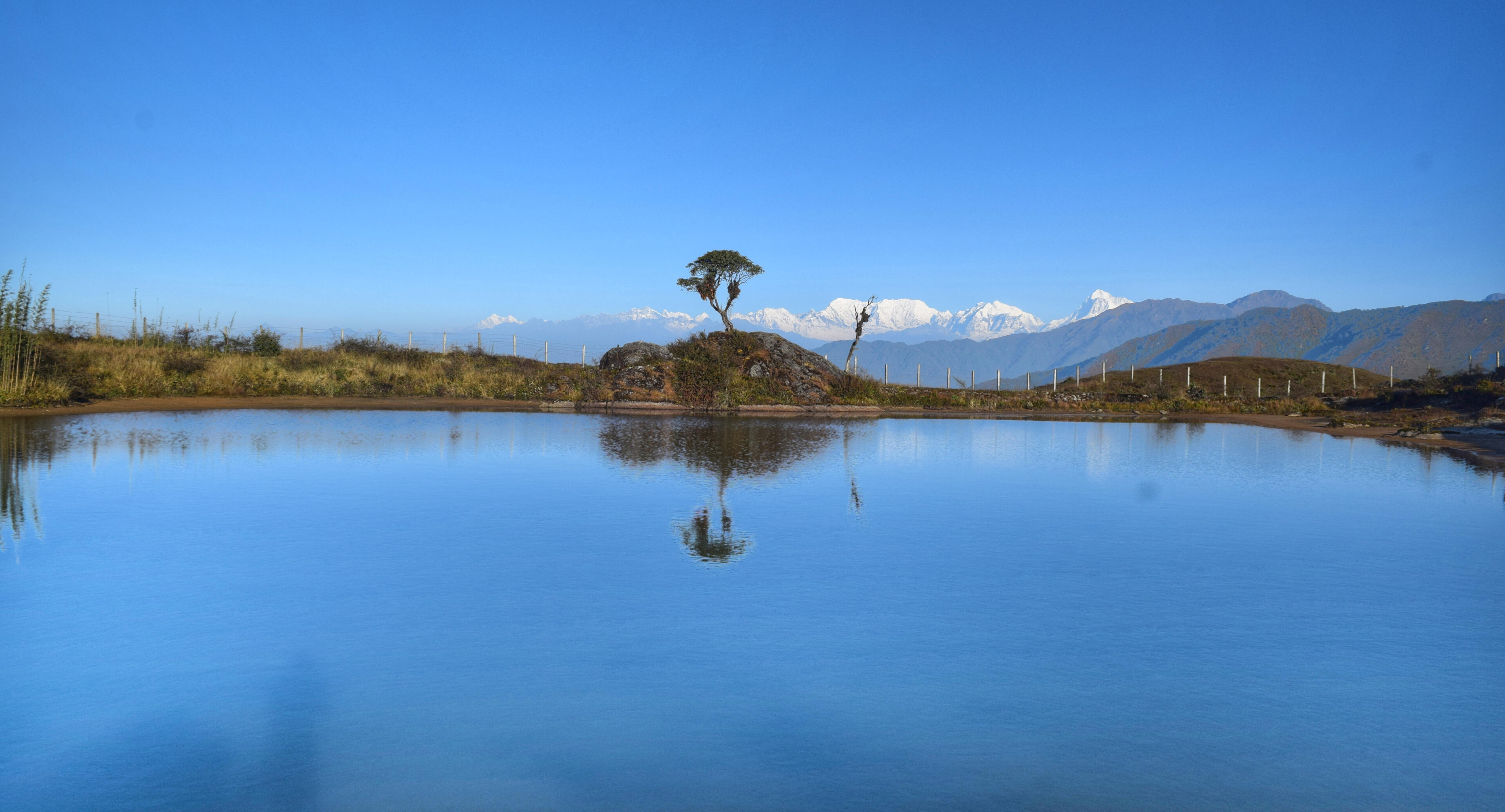
Local lore holds that the right eye of the goddess Sati fell here, and the Siddhakali Temple rose on that spot — today the town's most revered site. Nearby, Baneshwor hill draws worshippers, and the Waleshwor Mahadev cave shelters one of the largest natural shivalings anywhere. Higher up, the sacred lake of Gupha Pokhari, ringed by rhododendron and pine, is honoured by Hindus and Buddhists alike.
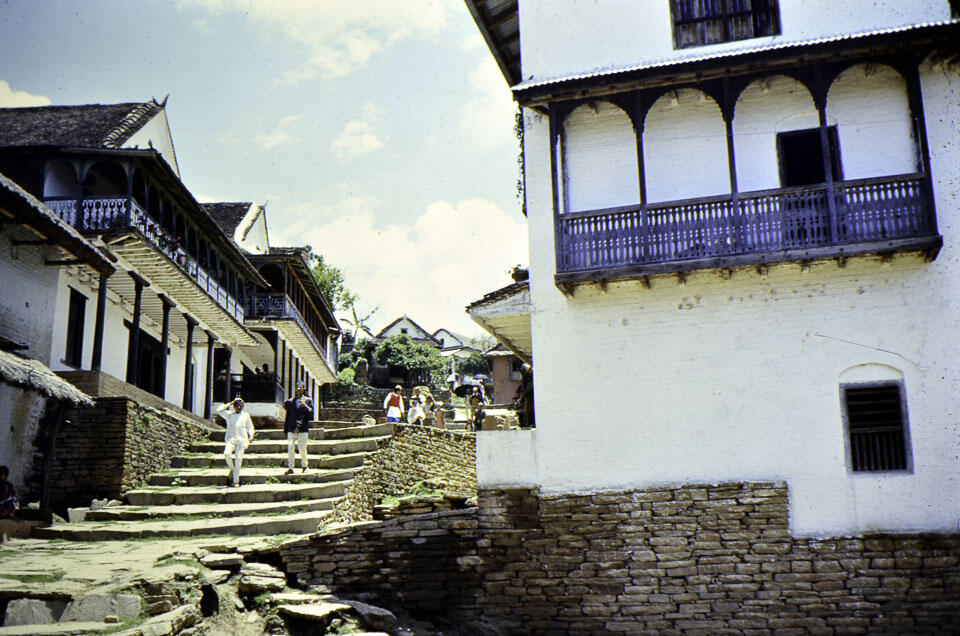
THE PHOTOGRAPHS THAT STOPPED TIME
THEN & NOW
Few places let you stand inside an old photograph and find it hasn't changed.Here is the bazaar in 1970. Here it is today. The same carved balconies. The same climbing street. The same ring of hammer on brass at first light. A whole world has turned over in fifty years — and Chainpur has kept its face.That's the invitation this town makes. Not to see something new, but to step into something that has quietly refused to disappear.
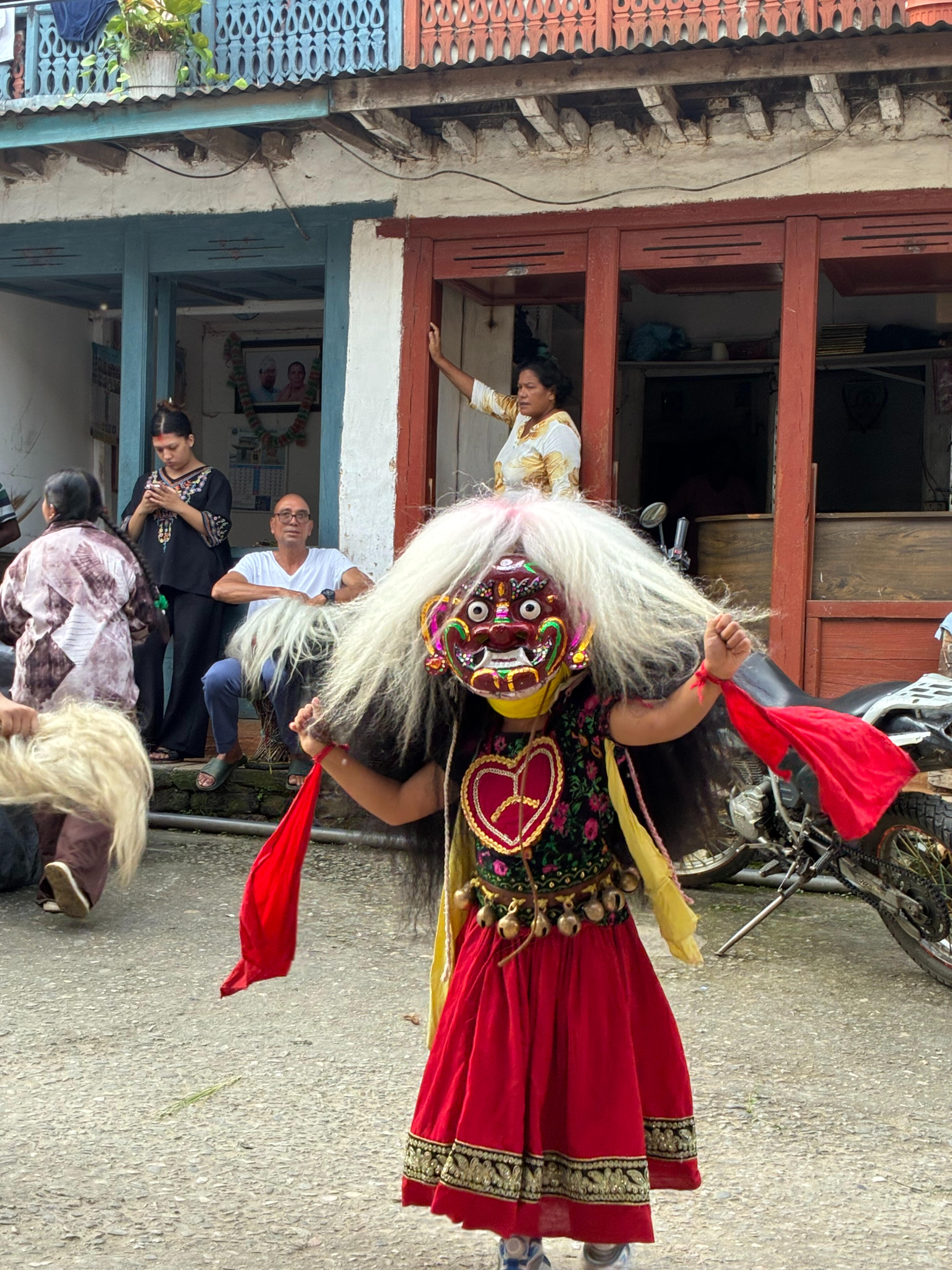
WHEN THE DEITIES DANCE
LAKHE JATRA
For a week each year, the bazaar belongs to the gods.When Chainpur's Newar community keeps Lakhe Jatra, the streets fill with drums and cymbals, and a fierce, red-faced deity in a mane of white hair whirls between the shopfronts — bells at the waist, arms flung wide, the crowd pressed to the edges of the lane. In Newar lore the Lakhe was once a forest demon who became the town's protector, and to watch him dance is to watch that old bargain renewed: power tamed into guardianship, wildness turned to blessing.The festival runs from Nag Panchami to Krishna Janmashtami, opened with worship of Bhimsen, the deity of trade and commerce — fitting, in a town built on the bazaar. The dance moves through the same stone lanes the metalworkers hammer in by day, carried by music you feel before you hear.Come in around September, and you won't just see Chainpur. You'll see it possessed by its own oldest story.
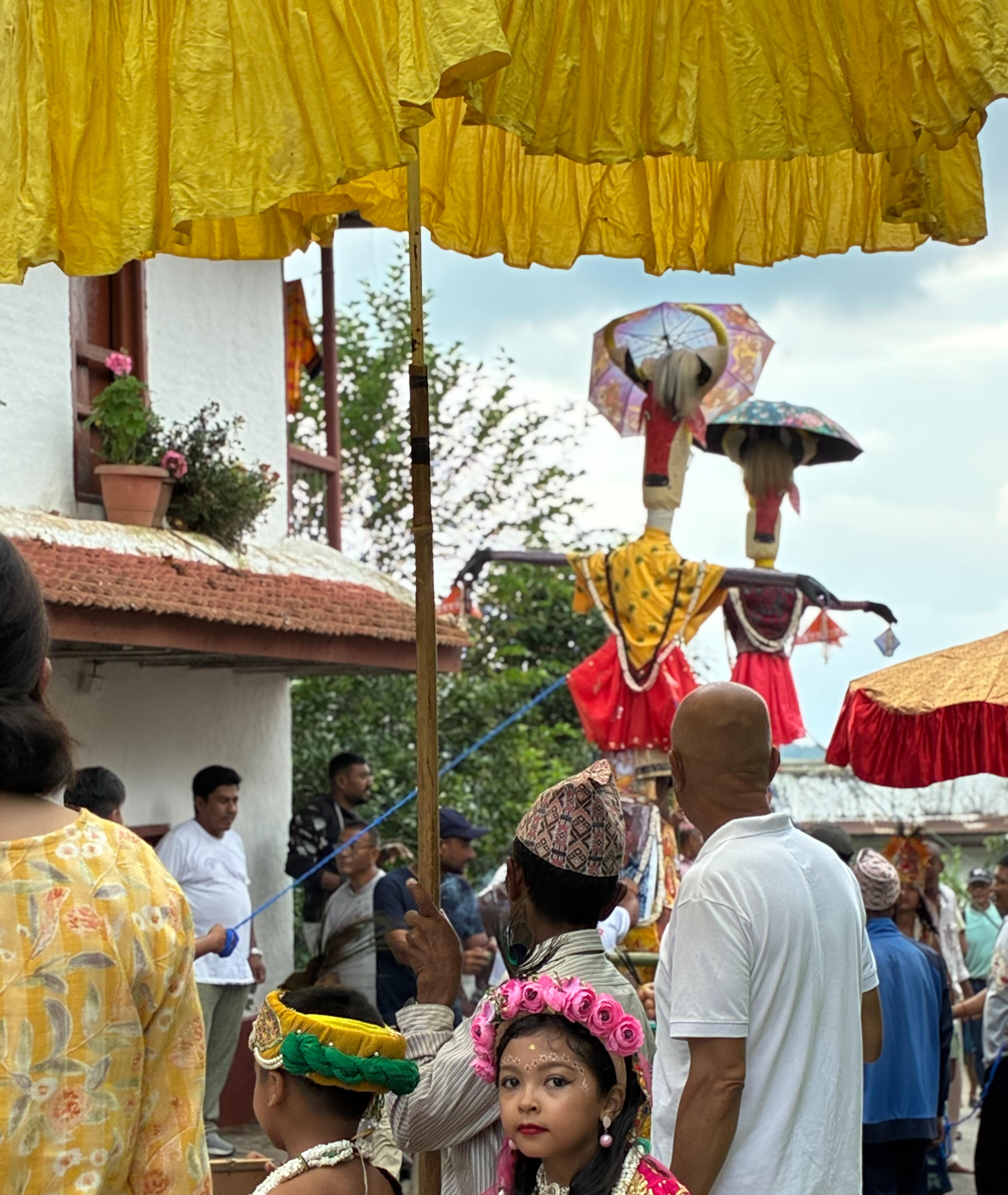
THE STREET BECOMES A STAGE
GAI JATRA & HILE JATRA
Late in the monsoon, Chainpur grieves and gives thanks in the same breath.First comes Gai Jatra, the festival of remembrance. Families who lost someone in the past year walk the old stone streets behind a cow — or a child dressed in its place — carrying the photograph of the departed. It is mourning turned gentle and public: a whole town agreeing to carry its sorrow together, in colour and music rather than silence, so that no family grieves alone. Ceremonial umbrellas sway above the crowd; effigies rise over the rooftops.Close on its heels comes Hilejatra — the festival that closes the rice-planting season. When the last seedling is finally in the flooded paddy, these farming hills turn their own exhaustion into theatre: mock ploughing, oxen and farmers acted out in the lanes, the hard labour of the harvest replayed as comedy and thanksgiving. It is one of the oldest agricultural traditions of eastern Nepal, and one you'll struggle to find anywhere else.Remembrance and harvest, sorrow and rest — two festivals, days apart, and Chainpur holds them both. It is a town that knows grief and gratitude are neighbours.
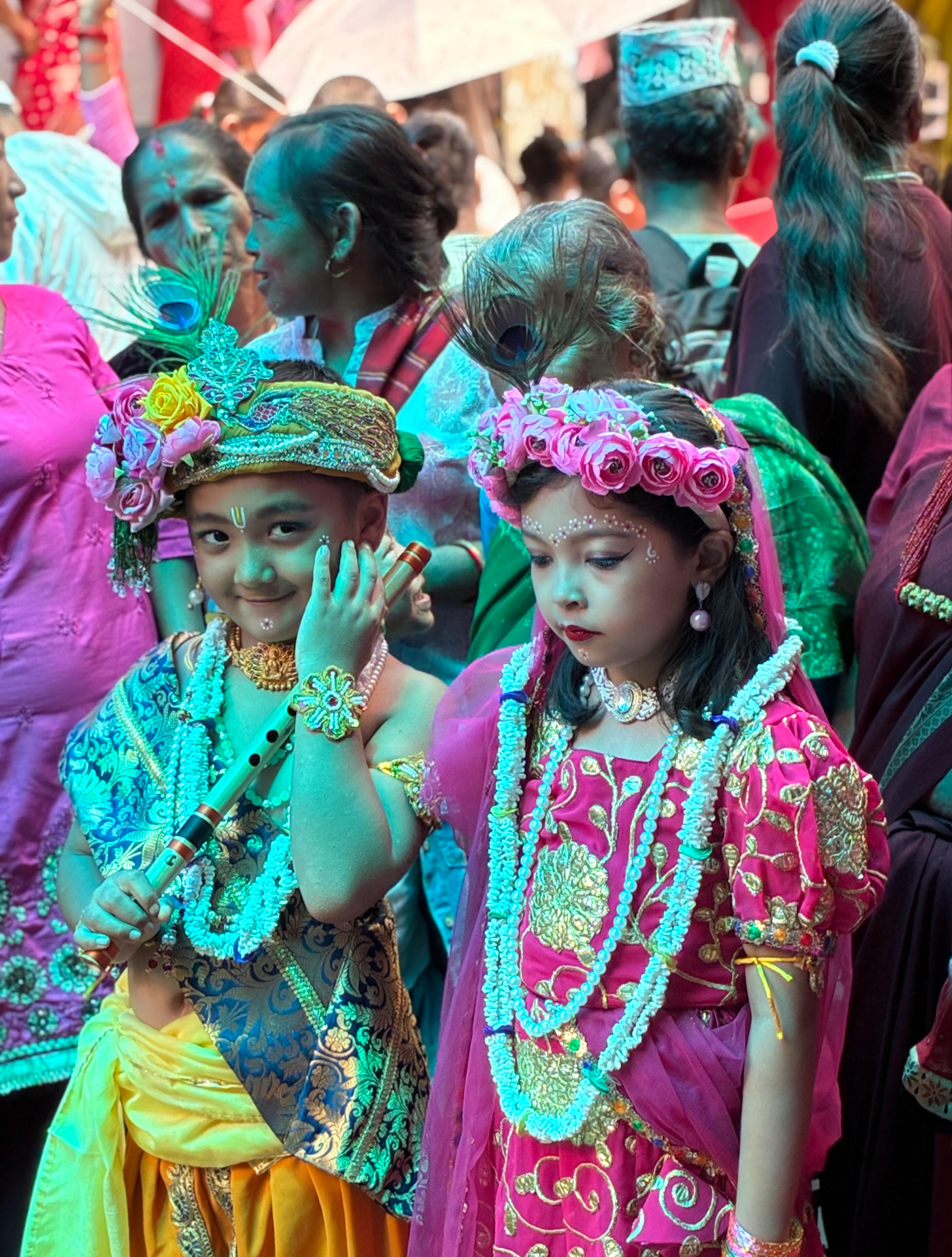
THE NIGHT THE GOD IS BORN
KRISHNA JANMASHTAMI
Everything the season has been building toward arrives on one night.For weeks, Chainpur's Lakhe dances have carried an old story through the bazaar — the fierce, red-masked deity moving to music that recalls the legendary battle between Krishna and his tyrant uncle, Kansa. On Krishna Janmashtami, that story reaches its end: the birth of Krishna, the god who defeats the demon-king, the triumph the whole festival has been leading to.The streets fill one last time. Children become Radha and Krishna for the day — crowned in flowers, a peacock feather in the crown, a bamboo flute in hand — and the procession that danced and mourned and laboured all season now simply celebrates. The Lakhe's wild energy gives way to a newborn god. Menace resolves into blessing.Come in season and you can follow the whole arc — the deity dancing, the departed remembered, the fields honoured, and finally, the god reborn. In Chainpur, the festivals don't just happen side by side. They tell one story, from beginning to end.
HOW TO REACH CHAINPUR
THE JOURNEY
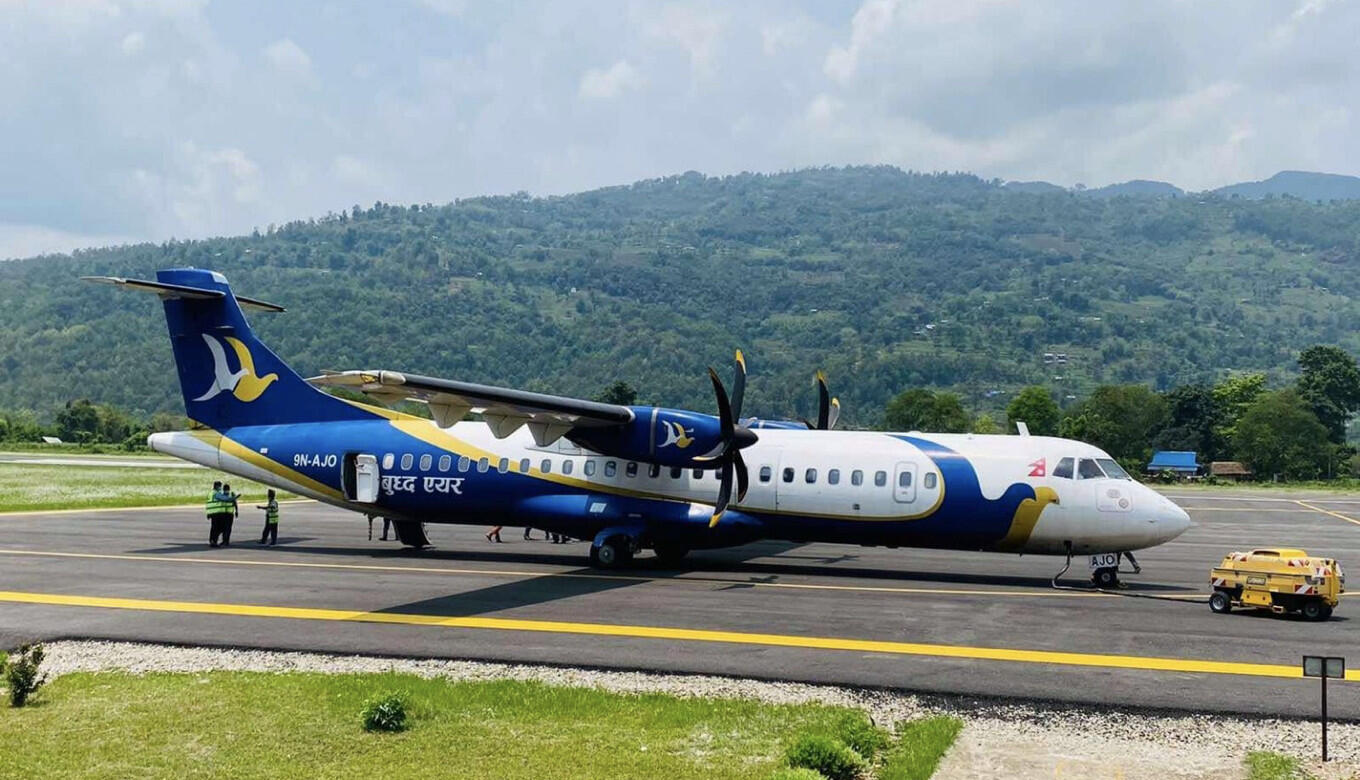
Chainpur sits about a day's travel from Kathmandu, roughly 12-15 hours by road via Dharan. For those with less time, flights connect to Tumlingtar airport in the Arun valley, with a short onward drive up into the hills. However you arrive, the last stretch rewards you: the road climbs out of the valley, the air cools, and the bazaar appears along its ridge with the peaks laid out behind it.
LODGING IN THE HILLS
WHERE TO REST
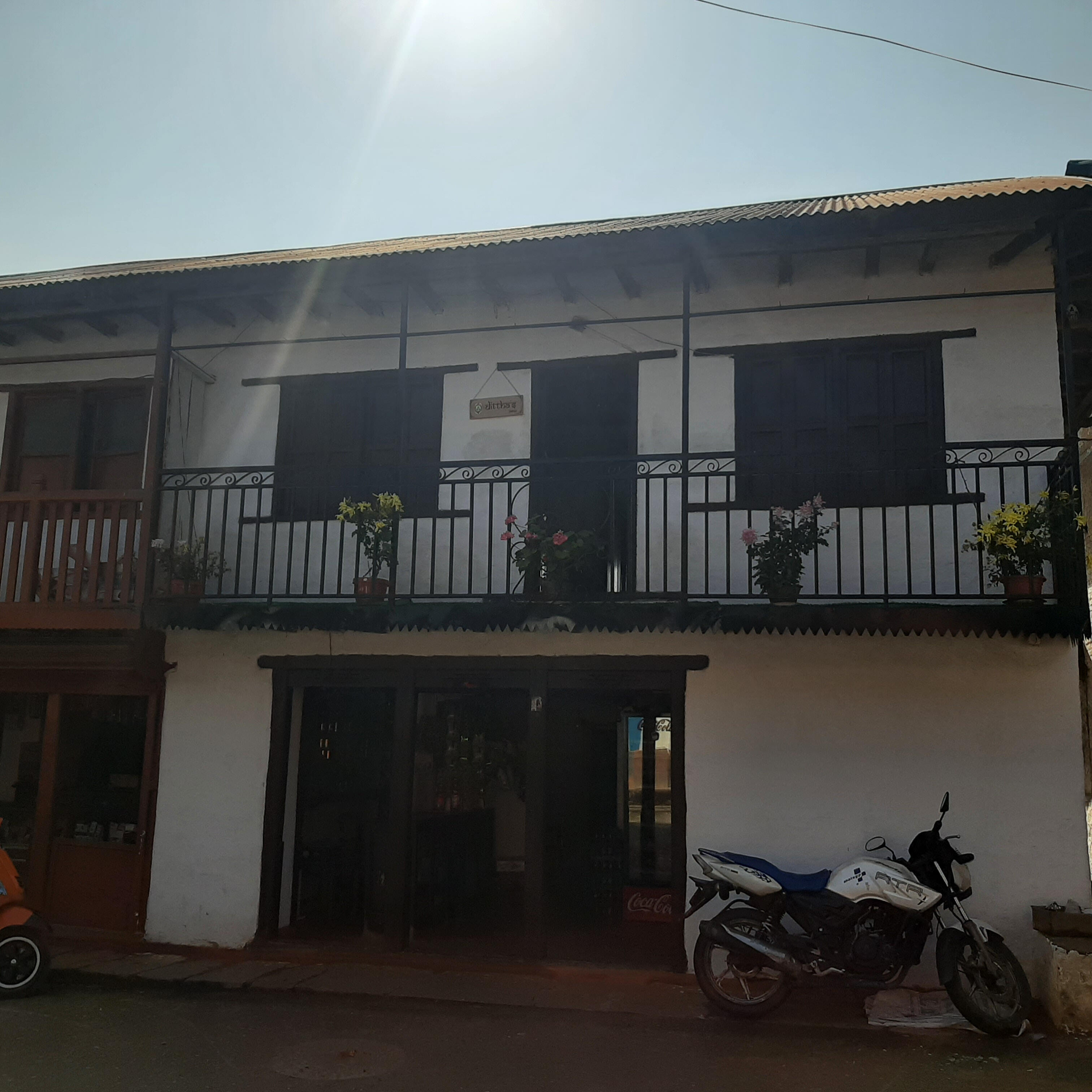
Chainpur keeps things simple and authentic. A handful of local guesthouses, homestays, lodges and teahouses rather than resorts. Rooms are modest and clean, the hospitality genuine, and most sit within a short walk of the bazaar. Wake to birdsong and hammering brass, step out to tea, and let the town's unhurried pace set your day.